In short The examiner asks two vehicle safety questions. One "tell me" question before you drive, where you explain a check, and one "show me" question while you drive, where you use a control such as the washers or the demister. There are 14 tell me and 7 show me questions. Getting one or both wrong is one driving fault, but losing control of the car during the show me task can fail the test.
Updated 9 November 2026 · Source: GOV.UK car driving test guidance, checked 9 November 2026
All 21 questions with photos of each control, in the Driving Test Routes app
How the questions work
- Tell me (1 question, before the drive): you explain how you would do a safety check. Three of them involve opening the bonnet.
- Show me (1 question, while driving): you use a control in the car when it is safe to do so.
- Marking: one or both wrong is one driving fault. Unsafe driving while doing the show me task is marked as serious or dangerous.
Practise: random question drill
21 questions
Press "Next question" to start. Answer out loud, then check.
The 14 tell me questions and answers
Tell me how you'd check that the brakes are working before starting a journey.
Answer: The brakes should not feel spongy or slack. Test them gently as you set off: the car should slow evenly and not pull to one side.
Tip: Say both parts: how the pedal should feel, and that you test them as you move off.
Tell me where you'd find the information for the recommended tyre pressures for this car and how tyre pressures should be checked.
Answer: In the car's handbook (many cars also have a sticker inside the driver's door or the fuel flap). Use a reliable pressure gauge, check and adjust when the tyres are cold, do not forget the spare, and put the valve caps back on.
Tip: Know where the sticker is in the car you will test in.
Tell me how you make sure your head restraint is correctly adjusted so it provides the best protection in the event of a crash.
Answer: The rigid part of the head restraint should be at least as high as your eyes or the top of your ears, and as close to the back of your head as is comfortable.
Tip: Some head restraints do not adjust; say so if that is the case in your car.
Tell me how you'd check the tyres to ensure that they have sufficient tread depth and that their general condition is safe to use on the road.
Answer: Look for cuts and bulges. The tread must be at least 1.6 mm deep across the central three-quarters of the tyre, all the way round.
Tip: The number to remember is 1.6 mm.
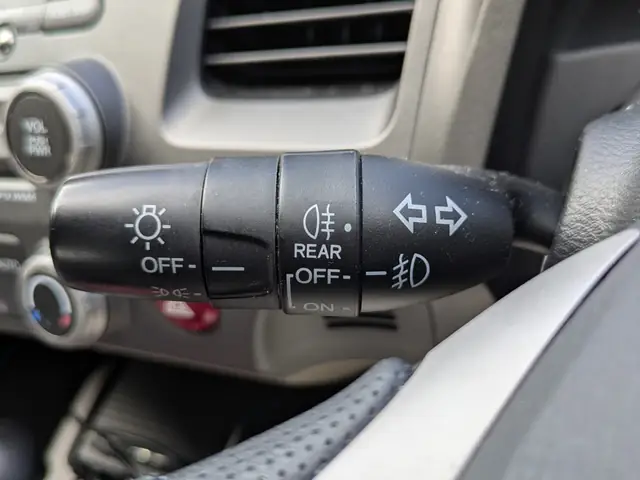
Tell me how you'd check that the headlights and tail lights are working. You don't need to exit the vehicle.
Answer: Switch the lights on (turning on the ignition if needed), then walk round the car to look at each one.
Tip: It is a "tell me" question, so you only explain; you do not get out.
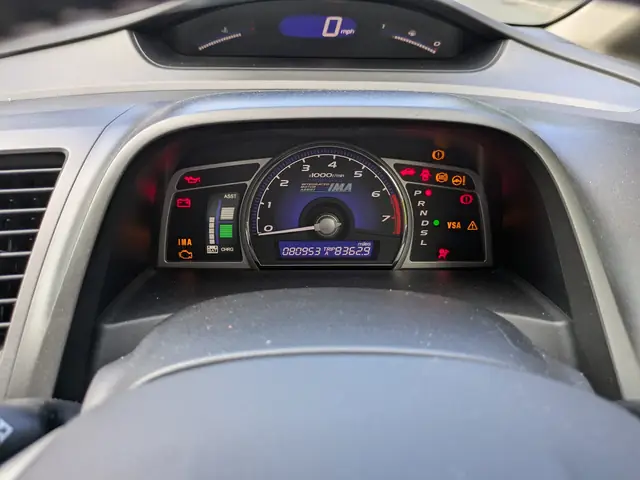
Tell me how you'd know if there was a problem with your anti-lock braking system.
Answer: A warning light on the dashboard comes on if there is a fault with the anti-lock braking system (ABS).
Tip: Point to where the ABS light would show if you can.
Tell me how you'd check the direction indicators are working. You don't need to exit the vehicle.
Answer: Switch on the indicators or the hazard warning lights (ignition on if needed), then walk round the car to check every light is flashing.
Tip: Again, explain only; you stay in your seat.
Tell me how you'd check the brake lights are working on this car.
Answer: Press the brake pedal and look for the reflection in a window, a garage door or a car behind, or ask someone to look while you press it.
Tip: Any of these three methods is fine.
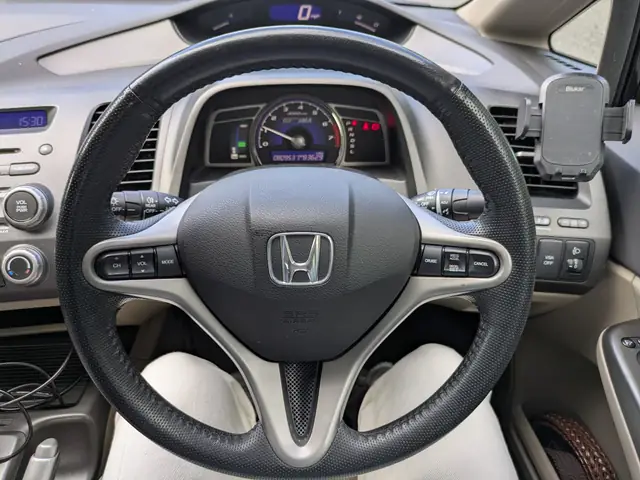
Tell me how you'd check the power-assisted steering is working before starting a journey.
Answer: If the steering feels heavy, the system may not be working. Two quick checks: hold gentle pressure on the wheel while you start the engine and feel it move slightly as the system starts, or turn the wheel just after moving off and it should feel light.
Tip: Give one of the two checks clearly; both is better.
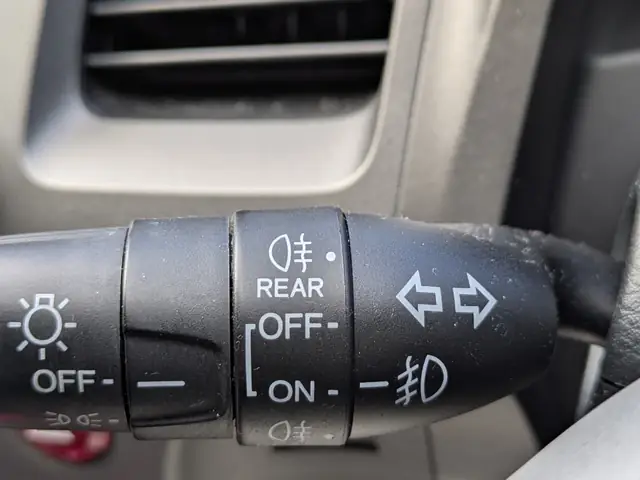
Tell me how you'd switch on the rear fog light(s) and explain when you'd use it/them. You don't need to exit the vehicle.
Answer: Switch on the dipped headlights (and the ignition if needed), then the rear fog light, and check its warning light comes on. Use it when visibility is seriously reduced, generally when you cannot see more than 100 metres, and switch it off when visibility improves.
Tip: Find the fog light switch in your test car before the day; it varies a lot between models.
Tell me how you switch your headlight from dipped to main beam and explain how you'd know the main beam is on.
Answer: Push or pull the light stalk (with the ignition or engine on if needed) and check the blue main beam warning light on the dashboard.
Tip: The main beam light is blue; the dipped light is green.
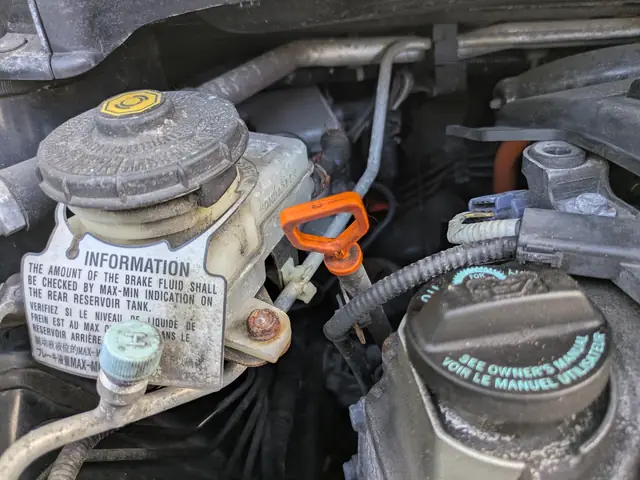
Open the bonnet and tell me how you'd check that the engine has sufficient oil.
Answer: Find the dipstick (or the electronic oil level indicator) and check the oil level is between the minimum and maximum marks.
Tip: Practise opening the bonnet of your test car: the release lever and the safety catch.
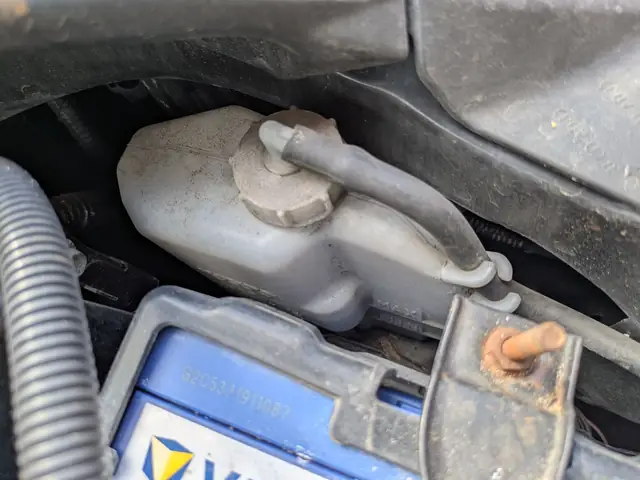
Open the bonnet and tell me how you'd check that the engine has sufficient engine coolant.
Answer: Find the coolant header tank, check the level is between the high and low marks, and explain how you would top it up to the right level.
Tip: Only check coolant when the engine is cold.
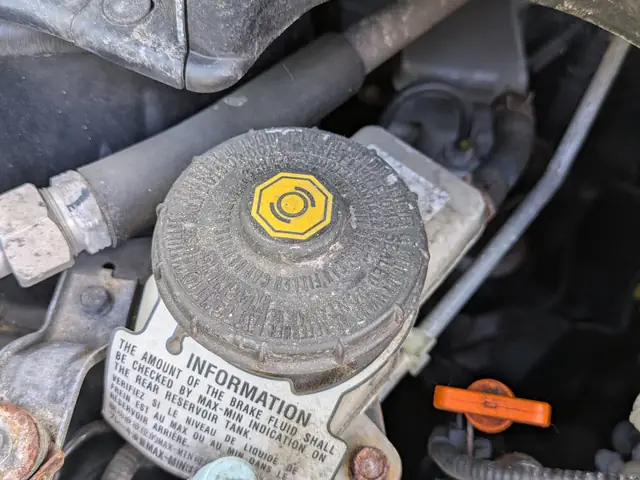
Open the bonnet and tell me how you'd check that you have a safe level of hydraulic brake fluid.
Answer: Find the brake fluid reservoir and check the level against the high and low marks.
Tip: The reservoir is usually near the back of the engine bay on the driver's side.
The 7 show me questions and how to do them
The examiner asks one of these while you are driving. "When it's safe to do so" means you choose the moment: wait for a straight, quiet stretch, keep one hand on the wheel and your eyes on the road, and do not slow down or drift while you find the control.
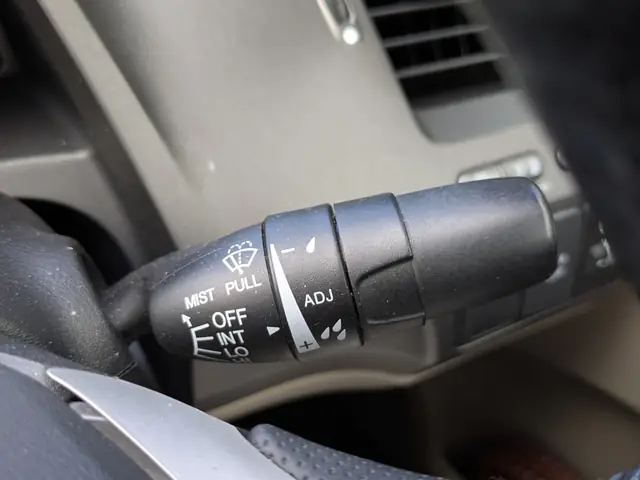
When it's safe to do so, can you show me how you wash and clean the rear windscreen?
How: Use the rear wash and wipe control, usually by pushing the wiper stalk forward or turning its end, then switch it off.
When it's safe to do so, can you show me how you wash and clean the front windscreen?
How: Pull the wiper stalk towards you to spray and wipe the front windscreen, then let it go.
When it's safe to do so, can you show me how you'd switch on your dipped headlights?
How: Turn the light switch to dipped headlights and check the green headlight symbol on the dashboard. Switch them off again when asked, or leave them on if the light is poor.
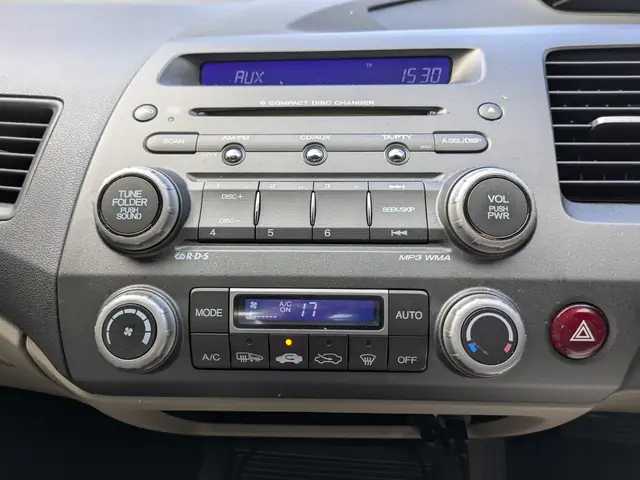
When it's safe to do so, can you show me how you'd set the rear demister?
How: Press the rear screen heater button (a rectangle with wavy arrows); its light comes on. Press again to switch off.
When it's safe to do so, can you show me how you'd operate the horn?
How: Press the horn briefly, keeping your other hand on the wheel.
When it's safe to do so, can you show me how you'd demist the front windscreen?
How: Set the air to the windscreen symbol, turn the fan up, add heat, and switch on the air conditioning if the car has it.
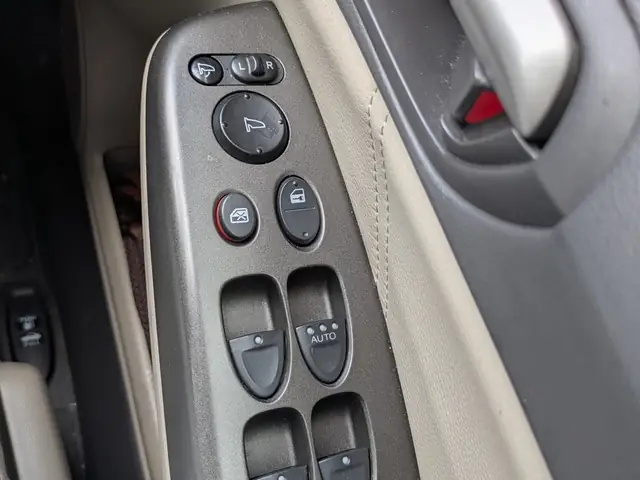
When it's safe to do so, can you show me how you'd open and close the side window?
How: Use the driver's window switch to open the window a little and close it again, with one hand on the wheel.
Learn where every control is before test day, with photos for each question
Tips for answering
- Learn the controls in the car you will test in. The rear fog light, rear wash and demist buttons are in different places in every model.
- Practise opening the bonnet: the release lever inside, then the safety catch at the front.
- For a tell me question, answer in a sentence or two. You do not need to get out of the car.
- For a show me question, timing matters more than speed. Doing it badly on a busy roundabout is a much bigger problem than waiting ten seconds.
- If you did not hear the question, ask the examiner to repeat it.
Question wording: contains public sector information licensed under the Open Government Licence v3.0. Answers and tips are our own.
Frequently asked questions
How many show me tell me questions are there?
There are 21: 14 tell me questions and 7 show me questions. On the test you are asked one of each.
What happens if I get a show me tell me question wrong?
Getting one or both wrong counts as one driving fault (a minor). But if your driving becomes dangerous or potentially dangerous while you do the show me task, that is a serious or dangerous fault and fails the test.
When are the questions asked?
The tell me question comes at the start, before you drive. The show me question comes while you are driving, and the examiner adds "when it's safe to do so", so you can wait for a straight, quiet stretch.
Do I have to open the bonnet?
Only if you get one of the three bonnet questions: engine oil, coolant or brake fluid. You open the bonnet and explain the check; you do not have to top anything up.
Are the questions the same in an automatic car?
Yes. The same 21 questions apply to manual and automatic cars.
Have the show me tell me questions changed?
The current list has applied since 4 December 2017. Check the GOV.UK page before your test in case it is updated.
Read next
Practise on the roads around your test centre
The Driving Test Routes app turns your phone into a practice coach for the practical test.
- Practice routes around UK test centres, with voice directions
- Mock tests that score the drive and list the faults to work on
- All 21 show me tell me questions, with photos of each control
- An emergency stop drill that times your reaction